Chick-fil-A Refuses AI Voice Ordering In Drive-Thru Lanes
Chick-fil-A will not use AI voice ordering, prioritizing human hospitality. This decision raises questions for other companies about which aspects to keep human-led.
Original reporting · prdaily.com
Original: “Chick-fil-A draws an AI line in the sand. Have you drawn yours?”
Read “Chick-fil-A draws an AI line in the sand. Have you drawn yours?” at PR Daily →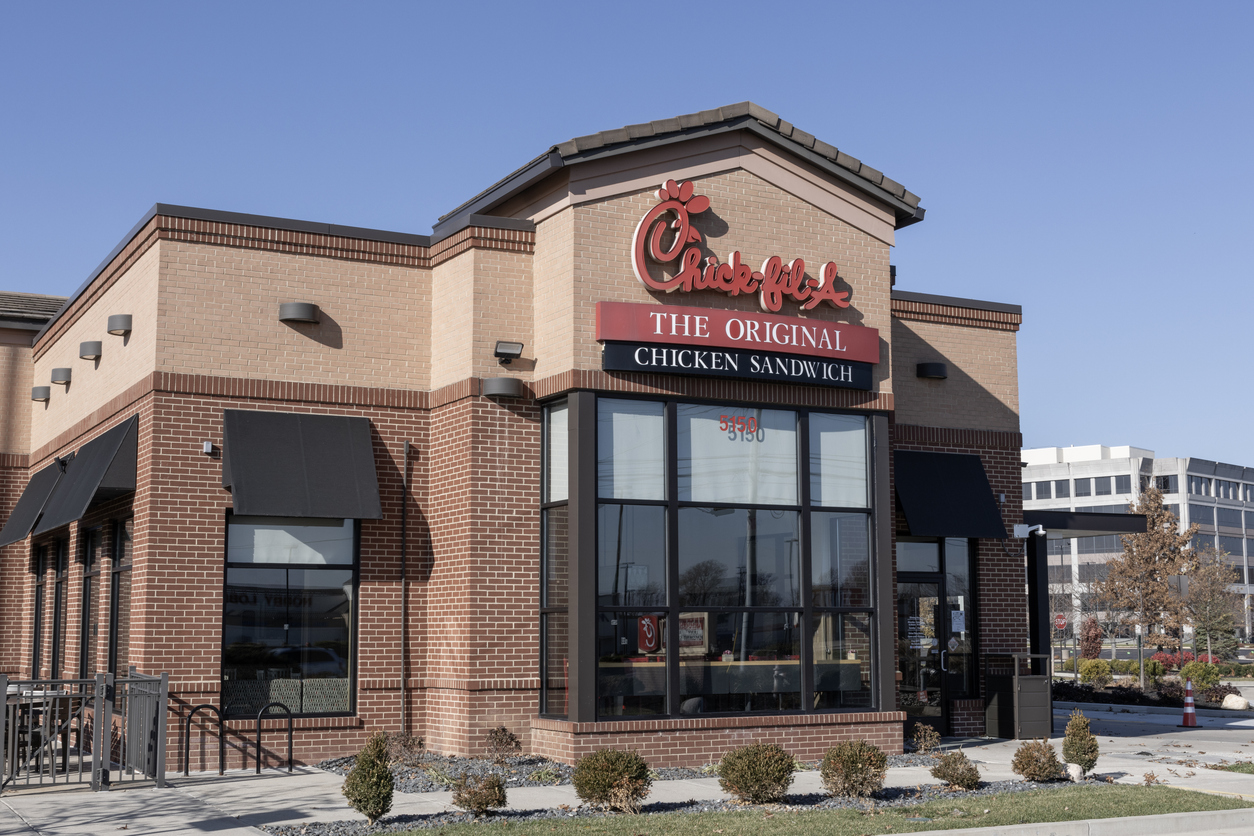
How this was written. Gosling Marketing Studio wrote this article with a language model from PR Daily’s reporting (model: @cf/meta/llama-3.3-70b-instruct-fp8-fast); it describes that reporting rather than adding to it. The original, linked above, is the full story.
Key points from PR Daily’s report
- Chick-fil-A will not use AI voice ordering in its drive-thru lanes, prioritizing human hospitality.
- Companies must evaluate which customer and employee interactions require human judgment and how these choices support their brand promise.
- Transparency about AI usage and human-led interactions is crucial for managing customer expectations.
- Rehearsing the answer to questions about AI usage with the CEO is essential for addressing concerns about job security and the role of AI.
- Testing the handoff from AI to human interaction is necessary to ensure a seamless experience for customers.
Chick-fil-A, a major national fast-food chain, is making headlines for its decision to not pursue AI voice ordering in its drive-thru lanes, according to PR Daily. This move goes against the trend of many companies announcing AI innovations. The company's CEO, Andrew Cathy, stated that human-to-human hospitality is a priority. Chick-fil-A is no stranger to going against the grain, being the only major national fast-food chain to close every Sunday.
The decision to maintain human-led drive-thru ordering is significant, as it highlights the importance of human interaction in customer service. Chick-fil-A's success story, with estimated average US sales per restaurant of $7.7 million in 2025, nearly twice that of McDonald's, suggests that this approach can be effective. The company's six-day schedule has not hindered its growth, and its commitment to human hospitality may be a key factor in its success.
The question of which aspects of an organization should remain human-led is now a key consideration for communications teams, PR Daily reported. Companies must evaluate which customer and employee interactions require human judgment and how these choices support their brand promise. This may involve identifying specific moments that call for human intervention, such as resolving disputed charges or answering follow-up questions.
To address these concerns, companies can develop a clear statement explaining where AI is used and which interactions are human-led. This transparency can help manage customer expectations and provide a clear way to reach an employee when needed. For example, a wireless carrier might state that its AI assistant can help with troubleshooting, but a team member will assist with resolving disputed charges.
Rehearsing the answer to questions about AI usage with the CEO is also crucial, according to PR Daily. This ensures that the executive is prepared to address concerns about job security and the role of AI in the company. Sample language can be developed to describe how AI supports certain processes, while emphasizing the importance of human interaction in other areas.
Testing the handoff from AI to human interaction is also essential to ensure a seamless experience for customers. This may involve drafting a plain answer to questions about speaking with a real person and confirming that customers can easily reach a human when needed. If a company promises human connection but fails to deliver, its words may become meaningless.
Ultimately, Chick-fil-A's decision to maintain human-led drive-thru ordering highlights the need for companies to carefully consider their use of AI and its impact on customer interactions. By prioritizing human hospitality and transparency, companies can build trust with their customers and create a positive experience.
Questions and answers
Why did Chick-fil-A decide not to use AI voice ordering?
Chick-fil-A prioritizes human-to-human hospitality, according to its CEO Andrew Cathy.
How can companies determine which interactions should remain human-led?
Companies can identify moments that call for human judgment and develop a clear statement explaining where AI is used and which interactions are human-led.
What is the importance of rehearsing the answer to questions about AI usage with the CEO?
Rehearsing the answer ensures that the executive is prepared to address concerns about job security and the role of AI, and can provide a clear and consistent message.